

Three Main Street Goes Green Accelerator graduates share how they’re building stronger businesses.
For a small business, resilience can mean lowering operating costs, preparing for an emergency, investing in a physical space, or having the right people to turn to when a challenge arises.
Through The Center’s Main Street Goes Green Accelerator, entrepreneurs learn how to make their businesses more sustainable and better prepared for what comes next. This National Black Business Month, we’re highlighting three recent graduates whose experiences show what that can look like in practice.
Edrica’s House of Hope

Through Main Street Goes Green, Aletheia explored ways to make the organization more energy efficient, developed a disaster preparedness plan, and secured funding for facility improvements, including the replacement of more than 20 windows.
She was also one of just two graduates in her cohort to earn Green Business Certification from the City of Los Angeles.
The Good Shepherd

Soweto recently reached an important milestone: passing the health inspection for her new Microenterprise Home Kitchen Operation. As she prepares to grow the business, Main Street Goes Green helped her think beyond what she needs today and plan for the disruptions that could affect her tomorrow. She developed emergency procedures and began considering backup equipment, but she also started looking more closely at her supply chain.
As part of her Green Resilience Plan, Soweto is exploring relationships with suppliers that offer high-quality, locally sourced ingredients. For her, those relationships can help reduce waste while creating a more reliable network to turn to when disruptions occur.
Black Cactus
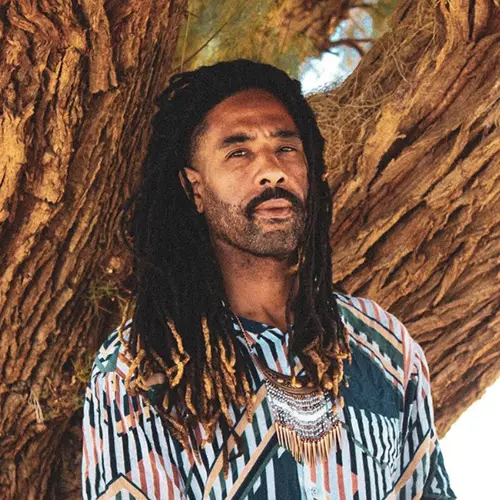
Main Street Goes Green helped Terence dig into his energy use, identify opportunities to reduce costs, and develop a roadmap for making the business more efficient.
The cohort itself proved equally valuable. As a solo owner-operator, Terence found other entrepreneurs and advisors he could learn from and turn to for support.
“The real magic is the network that you build and the work that continues after,” he said.
August 27, 2026